News
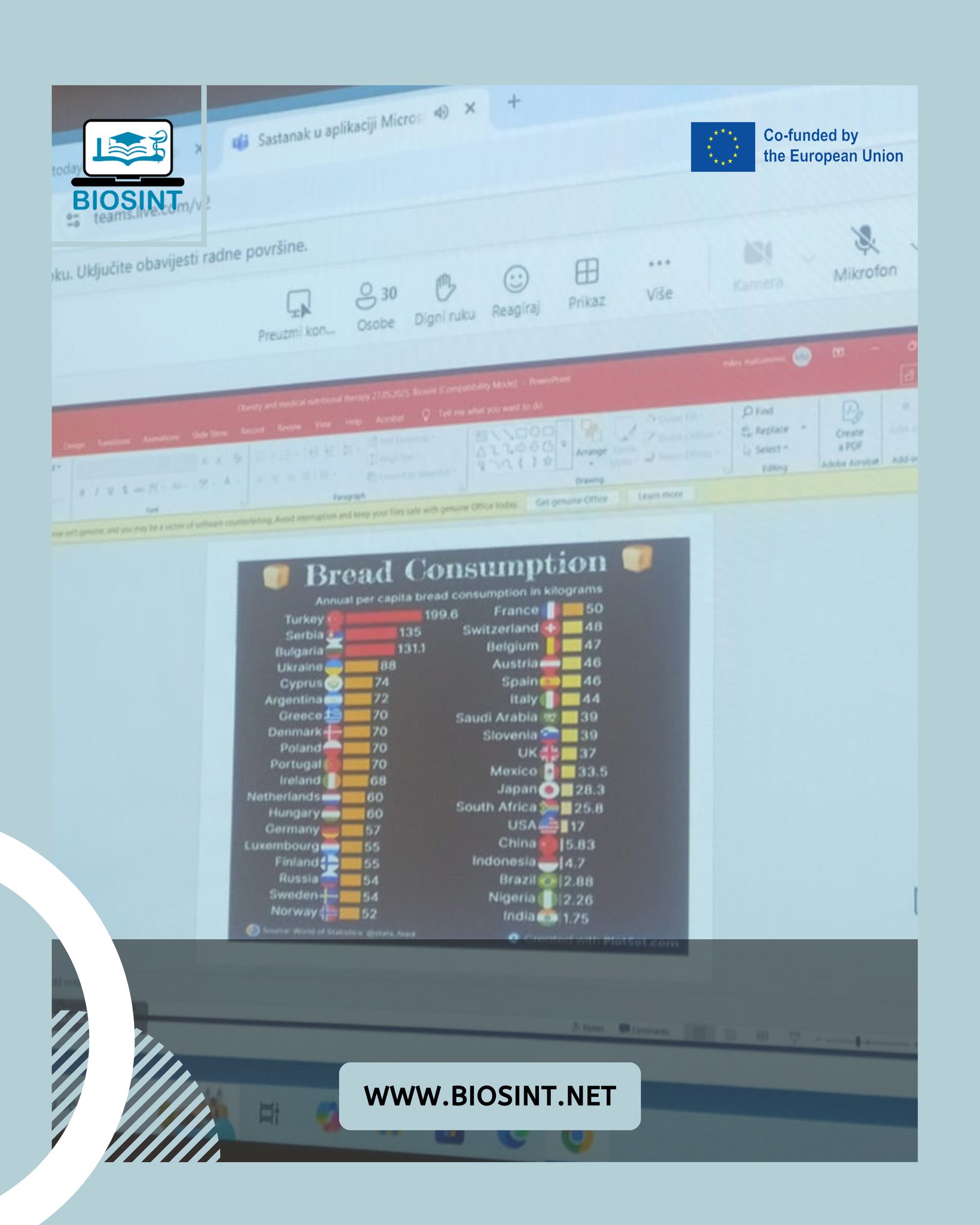
As part of the Medical Nutritional Therapy course, Doc. Dr. Danijela Jovanović delivered an in-depth and clinically valuable lecture on malnutrition—its definition, diagnosis, and significance in medical care.
Dr. Jovanović began by defining malnutrition in both its forms—undernutrition and overnutrition—and explained its widespread impact on patient outcomes, particularly in hospitalized and chronically ill populations. She emphasized why early identification and management of malnutrition are essential components of comprehensive patient care.
The lecture explored the role of anthropometry in nutritional assessment, including measurements such as BMI, mid-upper arm circumference, and skinfold thickness. Dr. Jovanović also addressed genetic and population-specific variations in anthropometric norms, highlighting the importance of interpreting these measurements within the context of an individual’s genetic and ethnic background.
A significant portion of the lecture was dedicated to... >> More info
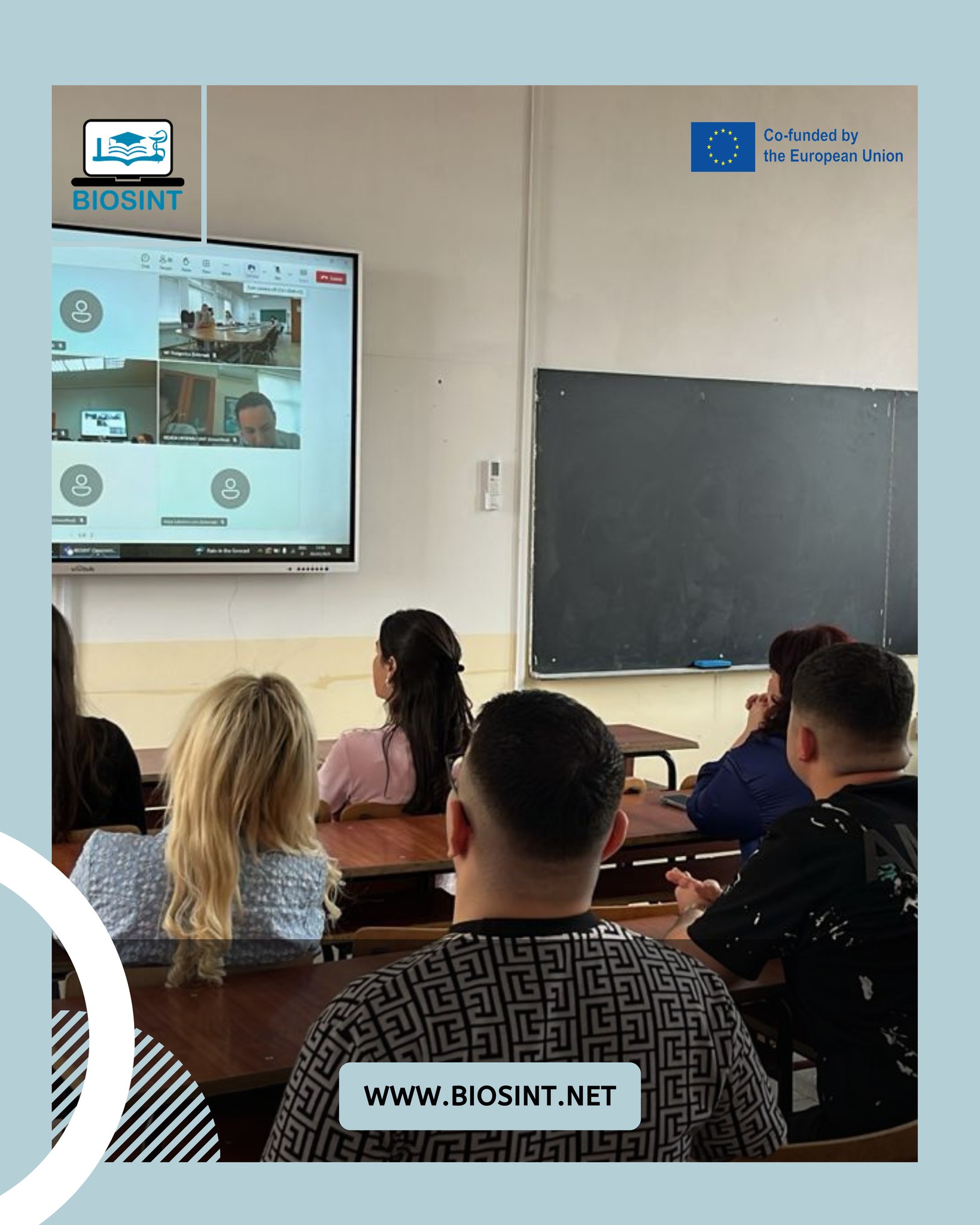
As part of the Health Management in Crisis course, Dr. Neada Hysenaj delivered a focused and practical lecture on "Human Resources for Health-Sector Emergency Management."
In this session, Dr. Hysenaj addressed the critical role of human resources in responding effectively to health emergencies. She began by exploring the importance of having a well-structured human resources plan specifically designed for emergency situations, highlighting the need for preparedness, flexibility, and rapid mobilization of healthcare personnel.
A key component of the lecture was the development and maintenance of a database of staff trained in emergency management. Dr. Hysenaj emphasized how such databases allow health systems to quickly identify and deploy qualified professionals when urgent situations arise.
She also discussed the integration of national and international volunteers into emergency healthcare delivery, outlining strategies for coordination, credential verification, and role assignme... >> More info

As part of the Personalised Medicine course, Assoc. Prof. Univ. Dr. Oana Aburel delivered a compelling and highly specialized lecture on "Precision Medicine in Chronic Inflammation."
Dr. Aburel began by exploring the role of biomarkers in chronic inflammation, emphasizing how molecular and genetic markers can aid in the early detection, diagnosis, and monitoring of inflammatory conditions such as rheumatoid arthritis, inflammatory bowel disease, and chronic pain syndromes.
She then provided an in-depth explanation of the mechanisms of pain, helping students understand the complex biological processes that underlie both acute and chronic pain responses. This understanding laid the groundwork for discussions on more targeted therapeutic approaches.
One of the most impactful sections of the lecture focused on personalized treatment strategies for chronic pain relief, where Dr. Aburel discussed how individualized approaches—based on genetic profiles, biomarker data, and patient history—... >> More info
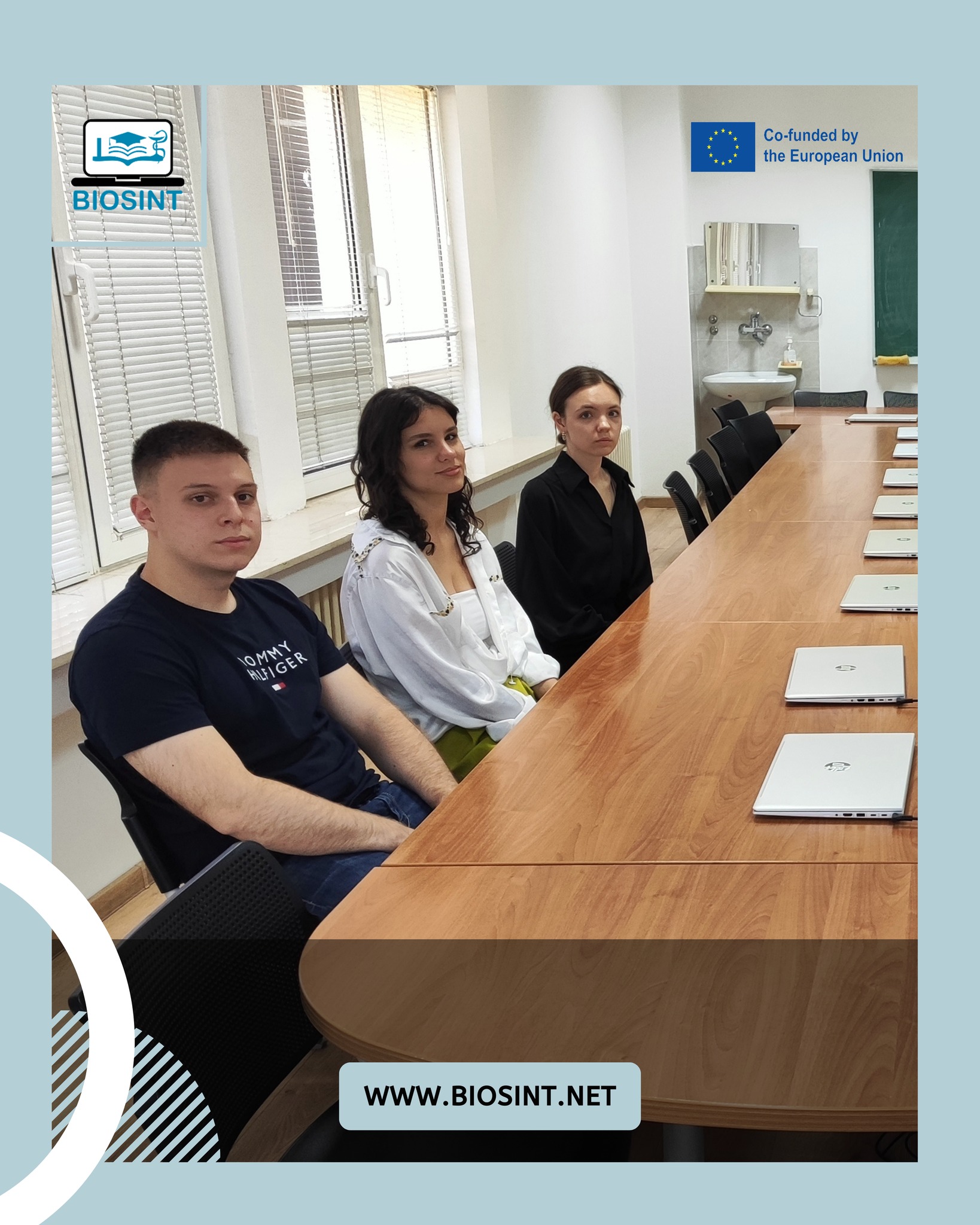
As part of the Medical Nutritional Therapy course, Prof. Dr. Vladimir Jakovljević delivered a highly informative and clinically relevant lecture on the topic of nutritional needs in medical care.
The lecture began with an overview of the nutritional requirements for energy and macronutrients, highlighting the importance of carbohydrates, proteins, and fats in maintaining metabolic balance and supporting recovery, especially in patients with acute or chronic conditions. Prof. Jakovljević emphasized individualized assessment to ensure adequate intake tailored to each patient's physiological state.
This lecture equipped students with a solid foundation in assessing and managing the nutritional needs of patients, reinforcing the critical role that medical nutrition therapy plays in improving outcomes and supporting comprehensive patient care. >> More info
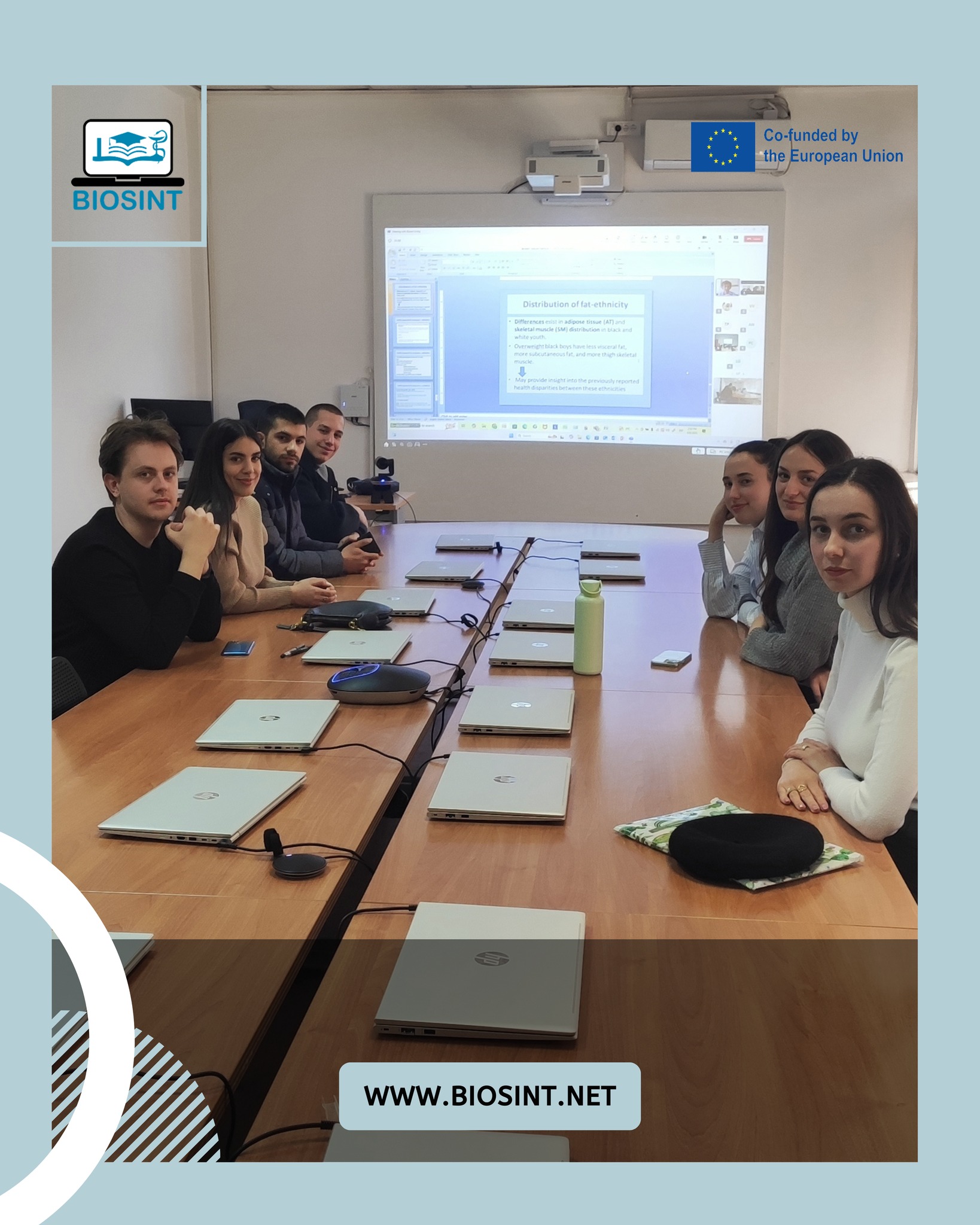
As part of the Personalized Medicine course, Prof. Univ. Dr. Claudia Borza delivered an engaging and thought-provoking lecture on the topic "Health Information Used in Personalised Medicine."
The lecture explored the essential components that form the foundation of personalized healthcare, beginning with the role of biomarkers and genetics in predicting disease risk, guiding treatment decisions, and improving patient outcomes. Prof. Borza highlighted how genetic profiling is revolutionizing the way we understand individual variability in health and disease.
She also focused on the importance of evidence and documentation in demonstrating the clinical efficacy of personalized medicine, stressing the need for rigorous data collection, clinical trials, and real-world evidence to support the integration of personalized approaches into standard medical practice.
Another key part of the lecture addressed communication in personalized medicine, emphasizing the need for clear, empathetic, a... >> More info