News

University of East Sarajevo (Bosnia and Herzegovina)
International accreditation is a success story of internationalization at home
The Faculty of Medicine, Foča, University of East Sarajevo (hereinafter: MEF UES) links its success story related to domestic internationalization to the preparation, organization, implementation and control of obtaining international World Federation of Medical Education (hereinafter: WFME) accreditation. The BIOSINT project obliged all project partners as well as MEF UES to establish some basic postulates on which the concept of internationalization in-house is based. After developing an internationalization strategy, internationalization indicators, international protocols for the admission of foreign students and staff to the institution, drafting safety and security protocols, developing the Colaborative Online Integrated Learning (hereinafter: COIL) methodology for conducting virtual teaching, developing virtual courses and th... >> More info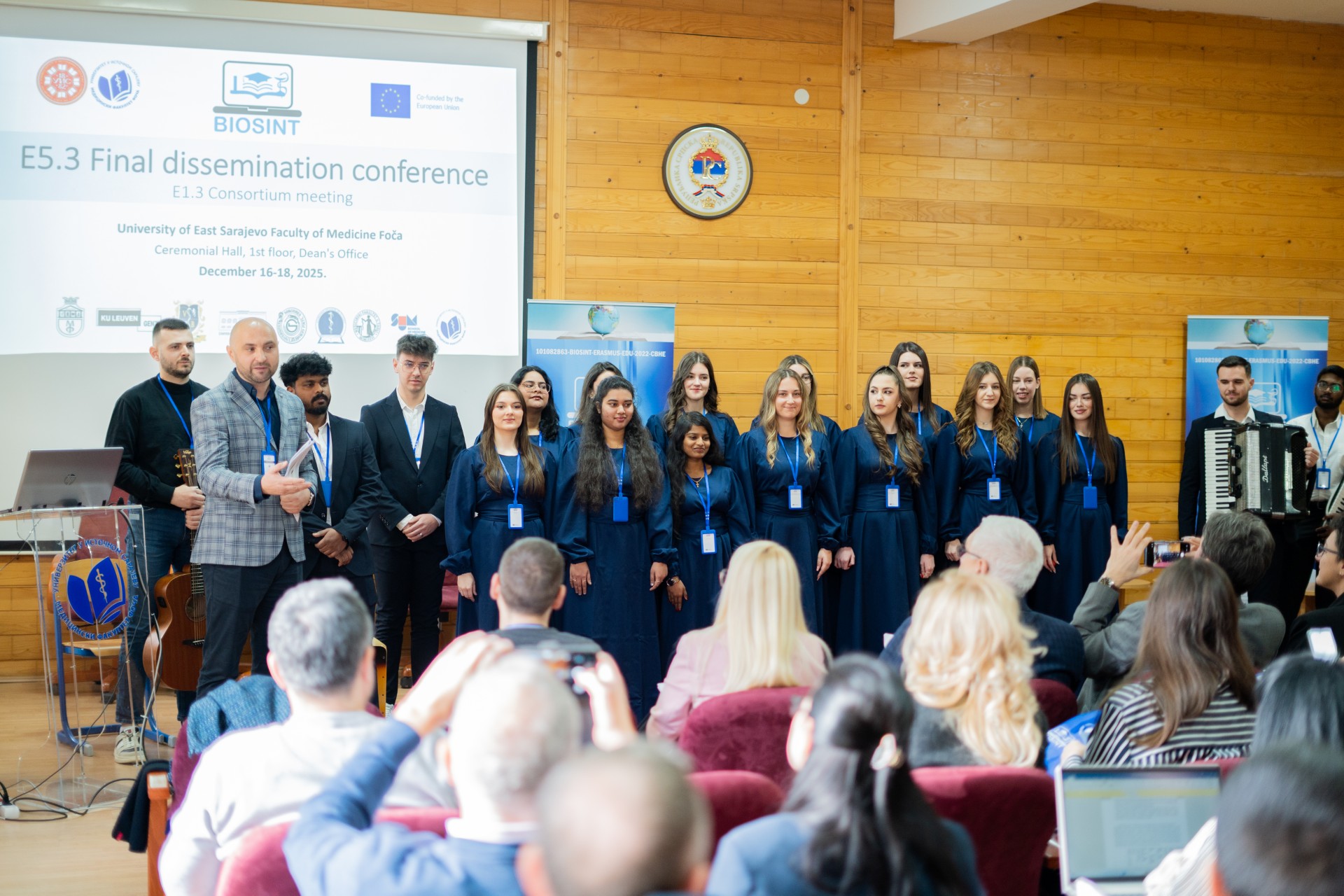
Days 16-18. December 2025, the final dissemination conference of the BIOSINT project was held at the Faculty of Medicine in Foča. The conference was attended by partners from the Faculties of Medicine from Tuzla, Mostar, Podgorica, Tirana, Shkodër, Kragujevac, Evora (Portugal) and KU Leuven (Belgium). At the conference, realized project results, internationalization from the aspect of the Faculty of Medicine in Foča, as well as two panels were presented: Internationalization of the curriculum and System and protocols of internationalization in the house. The entire conference included various activities of students of the Faculty of Medicine, both local and international. >> More info
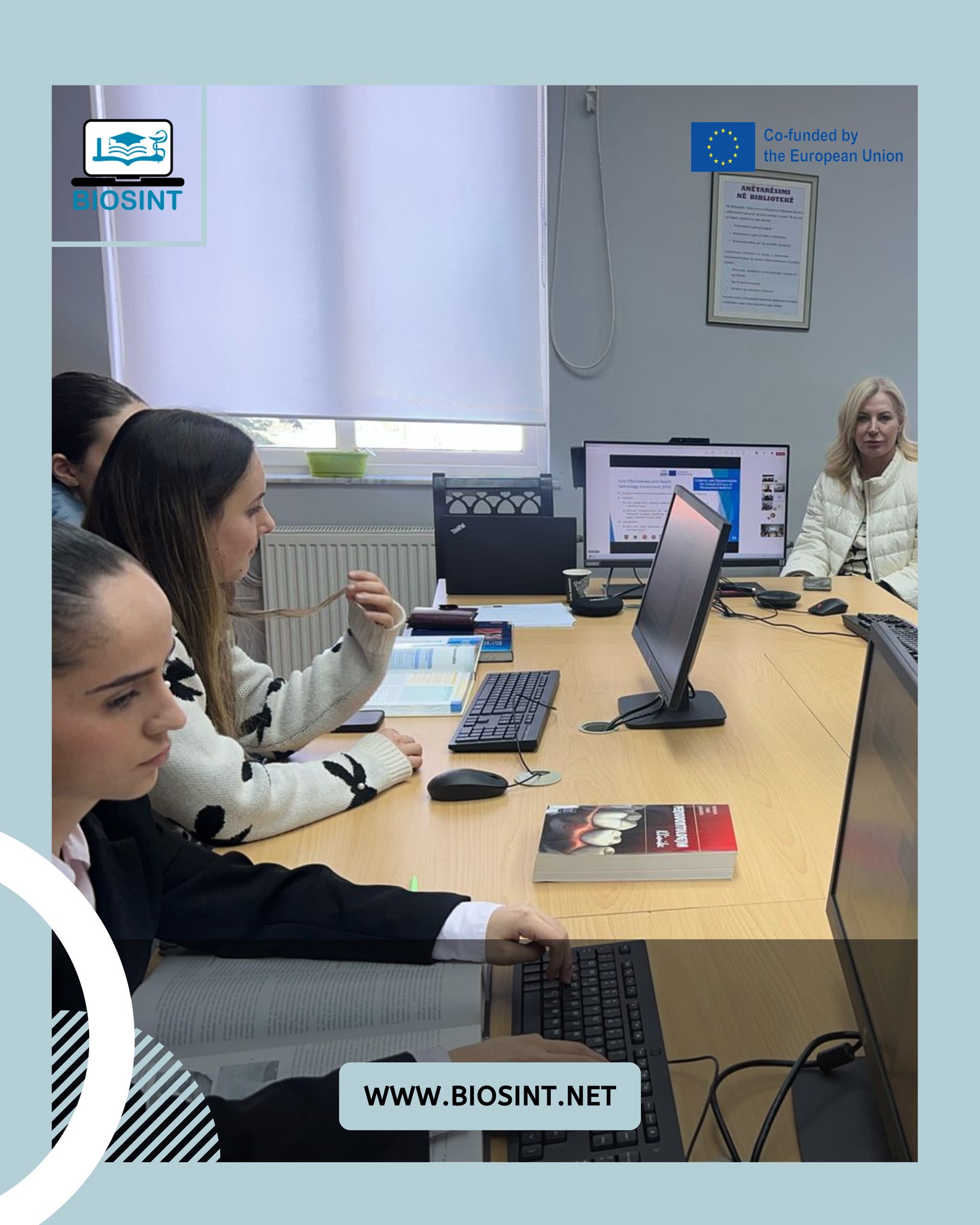
As part of the Personalized Medicine course, Prof. Dr. Dejan Bokonjić delivered a detailed and forward-thinking lecture on "A Framework for Understanding Personalized Treatment of Hypertension."
Prof. Bokonjić began by introducing the personalization approach in hypertension treatment, emphasizing that a one-size-fits-all model is no longer sufficient in managing such a complex and widespread condition. He discussed how individualized care—based on genetic, physiological, and lifestyle factors—can lead to better blood pressure control and improved long-term outcomes.
A central theme of the lecture was the role of pharmacogenomics-guided treatment, where Prof. Bokonjić explained how genetic testing can help identify the most effective antihypertensive medications for each patient, minimizing adverse effects and enhancing therapeutic efficacy.
He also addressed the heterogeneity in response to hypertension treatment, highlighting how age, ethnicity, comorbidities, and genetic variatio... >> More info
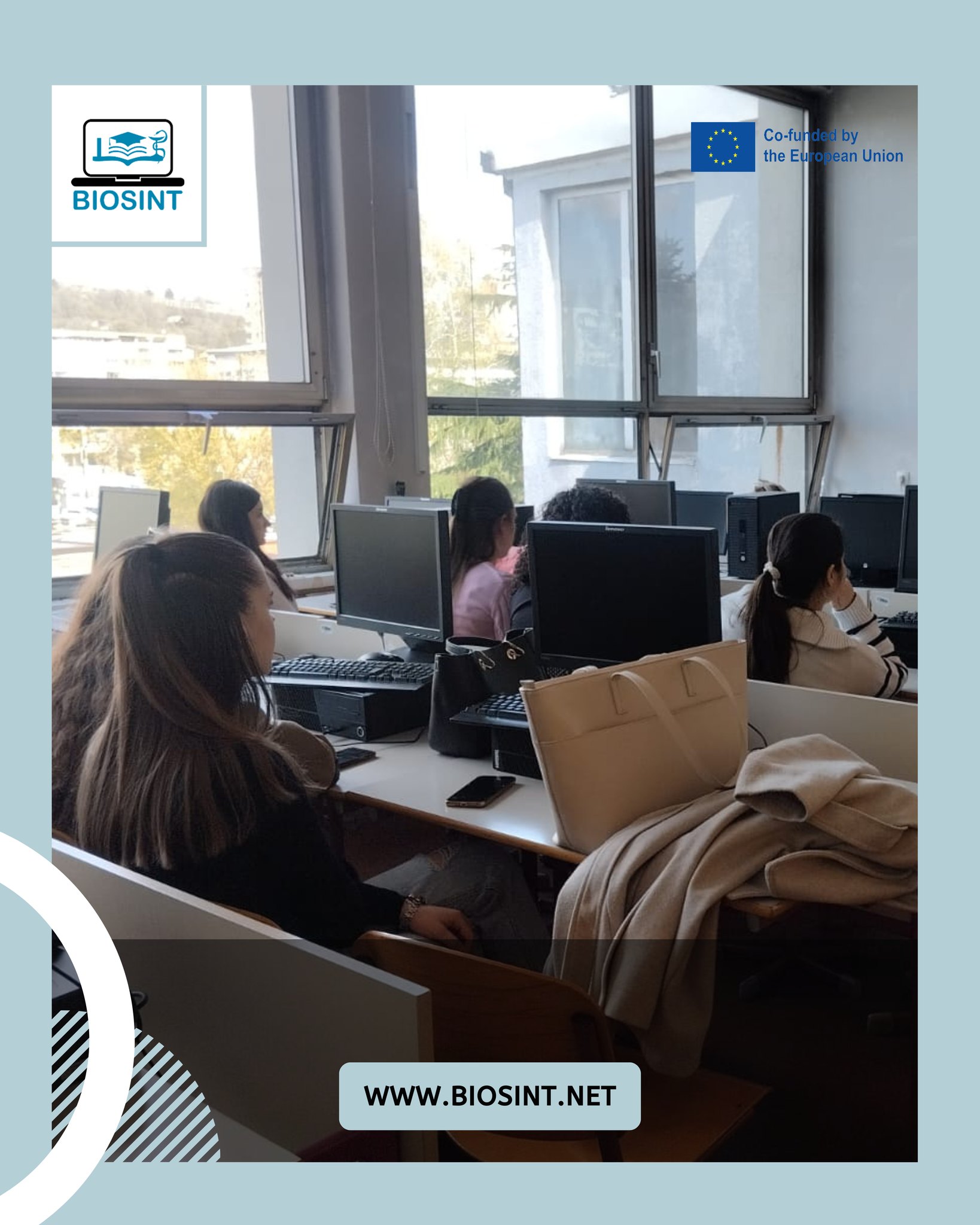
As part of the Health Management in Crisis course, Prof. Dr. Danijel Pravdić delivered a comprehensive and future-oriented lecture on "Recovery and Continuity of Care Post-Crisis."
Prof. Pravdić began by addressing the crucial steps in rebuilding healthcare systems after a crisis, focusing on restoring infrastructure, workforce capacity, and medical supply chains. He highlighted the importance of coordinated planning, resource prioritization, and investment in resilient systems that can withstand future emergencies.
The lecture then turned to the long-term care needs that often emerge in the aftermath of a crisis. Prof. Pravdić emphasized that recovery goes beyond immediate medical response and must include rehabilitation and chronic disease management, particularly for vulnerable populations whose treatment may have been disrupted.
A key aspect of the session was the growing need for mental health care post-crisis. He explored strategies for integrating psychological support into p... >> More info
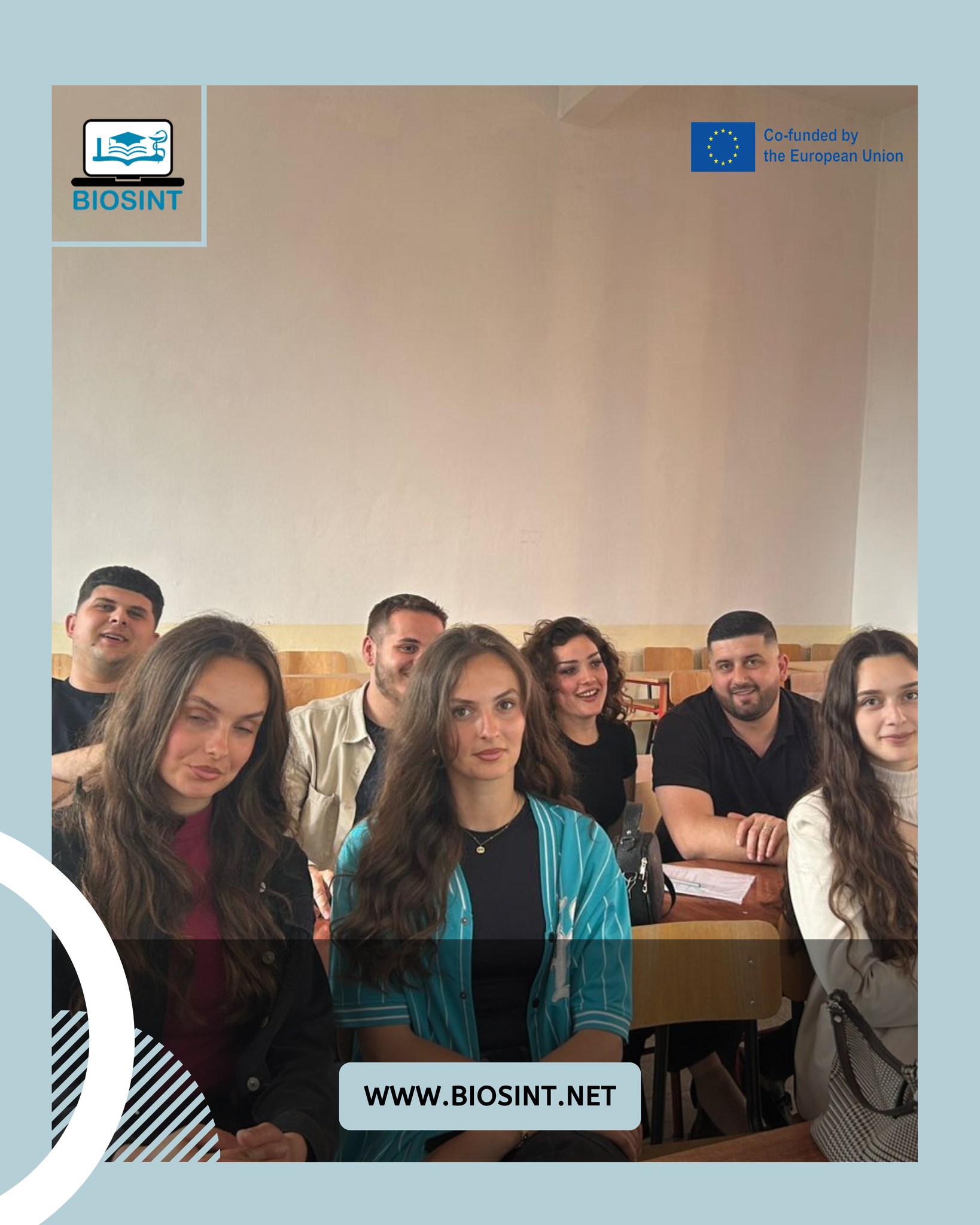
As part of the Personalised Medicine course, Assoc. Prof. Univ. Dr. Maria Danila delivered a highly informative and clinically relevant lecture on the "Impact of Pulmonary Rehabilitation Programs in Patients with Pulmonary Diseases."
Dr. Danila began by outlining the key outcomes and measures of pulmonary rehabilitation, emphasizing improvements in lung function, exercise capacity, quality of life, and reduction in hospital admissions. She highlighted how structured rehabilitation programs play a central role in the long-term management of chronic respiratory diseases.
The lecture then explored the application of personalised pulmonary rehabilitation strategies tailored to specific conditions. For COPD (Chronic Obstructive Pulmonary Disease), Dr. Danila discussed how individualized exercise plans, education, and behavioral interventions can significantly improve symptom control and daily functioning.
For asthma, she addressed the role of customized rehabilitation programs in enhanci... >> More info